

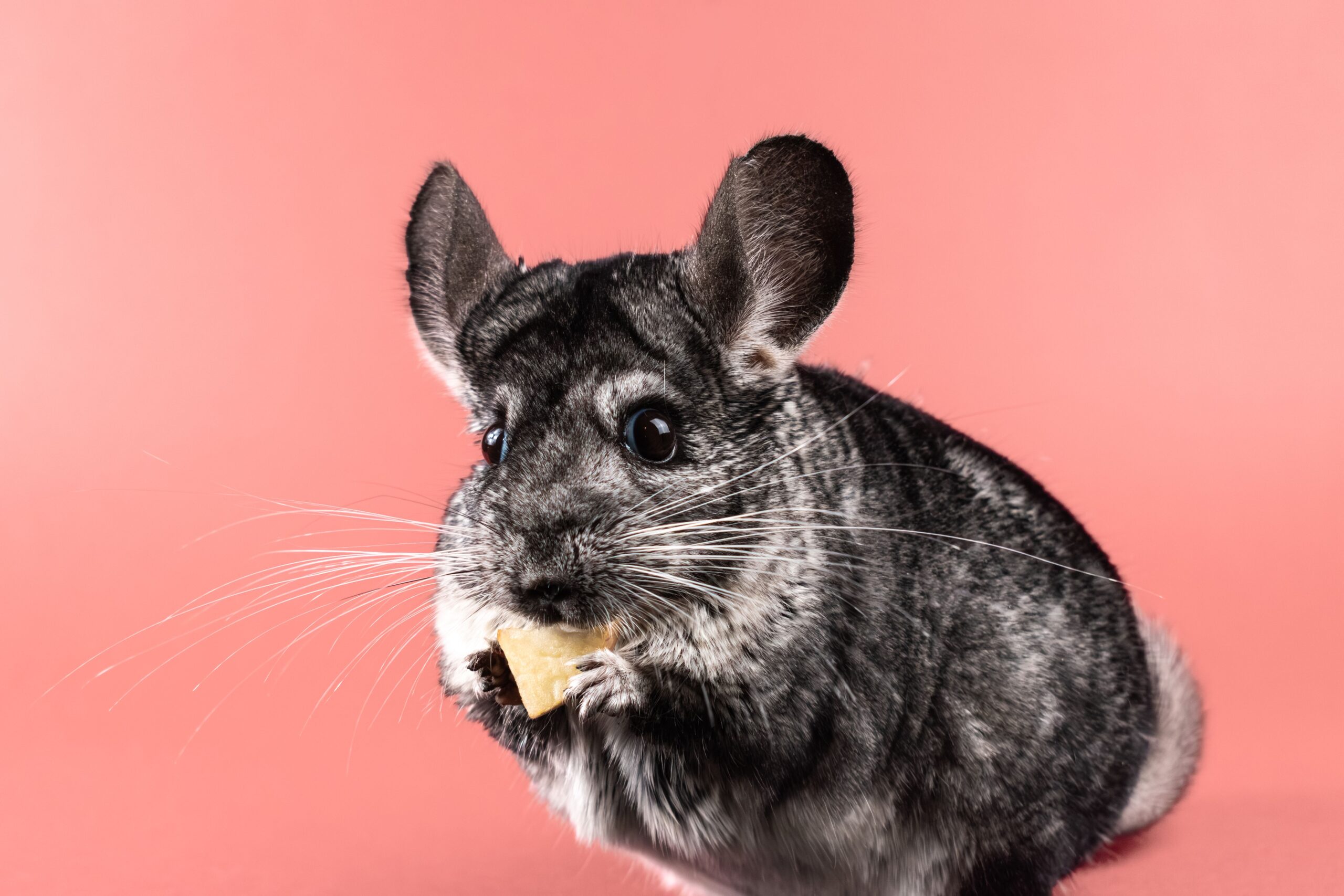
- A chinchilla that suddenly stops eating should never be ignored.
- Refusing hay may indicate dental pain, digestive problems, stress, heat exposure, or another underlying illness.
- Small, reduced, or absent droppings can be a warning sign that the digestive system is slowing down.
- Gastrointestinal stasis can become life-threatening and requires prompt veterinary attention.
- Keep fresh hay and water available, maintain a cool and quiet environment, and contact an exotic-pet veterinarian.
- Do not force-feed your chinchilla unless a veterinarian has advised you to do so.
If your chinchilla suddenly stops eating, don’t assume it’s being picky. Unlike dogs or cats, a loss of appetite in chinchillas is considered a medical concern because their digestive system depends on a constant intake of fiber. Even going several hours without eating can lead to gastrointestinal (GI) stasis—a potentially life-threatening condition that requires prompt attention.
In this guide, we’ll explain the most common reasons a chinchilla stops eating hay or pellets, the warning signs to watch for, and the steps you should take while arranging veterinary care.
Why Did My Chinchilla Suddenly Stop Eating?
A healthy chinchilla should eat hay throughout the day. If yours suddenly refuses food, something is usually causing pain, stress, or digestive problems.
The most common causes include:
- Dental disease or overgrown teeth
- Gastrointestinal (GI) stasis
- Heat stress
- Stress caused by environmental changes
- Sudden dietary changes
- Underlying illness or pain
Rather than treating appetite loss as the problem itself, exotic veterinarians view it as a symptom that requires finding the underlying cause.
My Chinchilla Stopped Eating Hay but Still Eats Treats
This is one of the earliest warning signs of dental disease.
Chinchilla teeth grow continuously throughout life. If the molars become overgrown or develop sharp points, chewing coarse hay becomes painful. Many chinchillas will still accept softer treats or pellets because they require less chewing.
Additional signs include:
- Dropping food while chewing
- Wet chin (“slobbers”)
- Weight loss
- Reduced fecal pellets
- Excessive salivation
A veterinarian experienced with exotic pets can examine the teeth and, if necessary, perform dental imaging.
GI Stasis: A Medical Emergency
One of the biggest risks when a chinchilla stops eating is gastrointestinal stasis.
GI stasis occurs when the digestive tract slows down or stops moving food normally. As the gut slows, harmful bacteria and gas can build up, making the chinchilla feel even worse and further reducing its appetite. This creates a dangerous cycle that can become life-threatening if left untreated. (Vca)
Signs include:
- Refusing hay and pellets
- Very small or no droppings
- Lethargy
- Hunched posture
- Teeth grinding from pain
- Bloated abdomen
Treatment typically focuses on hydration, pain management, nutritional support, and addressing the underlying cause. These treatments should always be directed by an exotic animal veterinarian.
Could Heat Stress Be the Cause?
Many owners don’t realize how sensitive chinchillas are to high temperatures.
Temperatures above 80°F (26–27°C) can quickly lead to overheating. A chinchilla suffering from heat stress may stop eating long before more dramatic symptoms appear.
Watch for:
- Panting
- Lying stretched out
- Excessive salivation
- Weakness
- Lack of appetite
Keep your chinchilla in a cool, well-ventilated room and avoid exposing it to direct sunlight.
Stress Can Also Reduce Appetite
Even healthy chinchillas may temporarily eat less after stressful events.
Possible triggers include:
- Moving to a new home
- Introducing another chinchilla
- Loud construction
- Predator pets (dogs or cats)
- Frequent handling
- Cage relocation
Most chinchillas recover quickly once the stressor is removed. However, if appetite does not return within several hours or droppings decrease significantly, veterinary evaluation is recommended because stress can trigger GI stasis.
What Should You Do Right Away?
If your chinchilla suddenly stops eating:
- Check whether it is still producing normal droppings.
- Ensure fresh timothy hay and clean water are always available.
- Keep the room cool and quiet.
- Remove sugary treats and avoid introducing new foods.
- Contact an exotic animal veterinarian as soon as possible.
Do not force-feed your chinchilla unless instructed by your veterinarian. Assisted feeding with products such as recovery diets is often appropriate, but only after the cause has been evaluated, especially if an intestinal blockage hasn’t been ruled out.
When Should You Go to the Vet Immediately?
Seek emergency veterinary care if your chinchilla:
- Hasn’t eaten for several hours and refuses hay completely
- Produces no droppings
- Appears weak or collapsed
- Has a swollen abdomen
- Shows difficulty breathing
- Is drooling excessively
- Has signs of overheating
Because chinchillas have very fast metabolisms and delicate digestive systems, delaying treatment can significantly worsen the prognosis.
How to Help Prevent Future Appetite Problems
While not every illness can be prevented, good husbandry greatly reduces the risk.
Focus on:
- Unlimited high-quality timothy hay
- A measured amount of quality chinchilla pellets
- Fresh water every day
- Regular weight checks
- Routine dental examinations
- A cool environment below 80°F (27°C)
- A consistent daily routine with minimal stress
A healthy chinchilla spends much of its day chewing hay. If that behavior changes suddenly, acting quickly gives your pet the best chance of a full recovery.
